Asphalt shingles
- Budget considerations
- Usually the lower-cost starting point
- Main advantage
- Familiar look; individual repairs
- Main drawback
- Weathering and shorter replacement cycles

Roofing materials
The look you want, with a suitable system behind it. Our material recommendations balance your home, budget and preferences, with the technical checks handled for you.
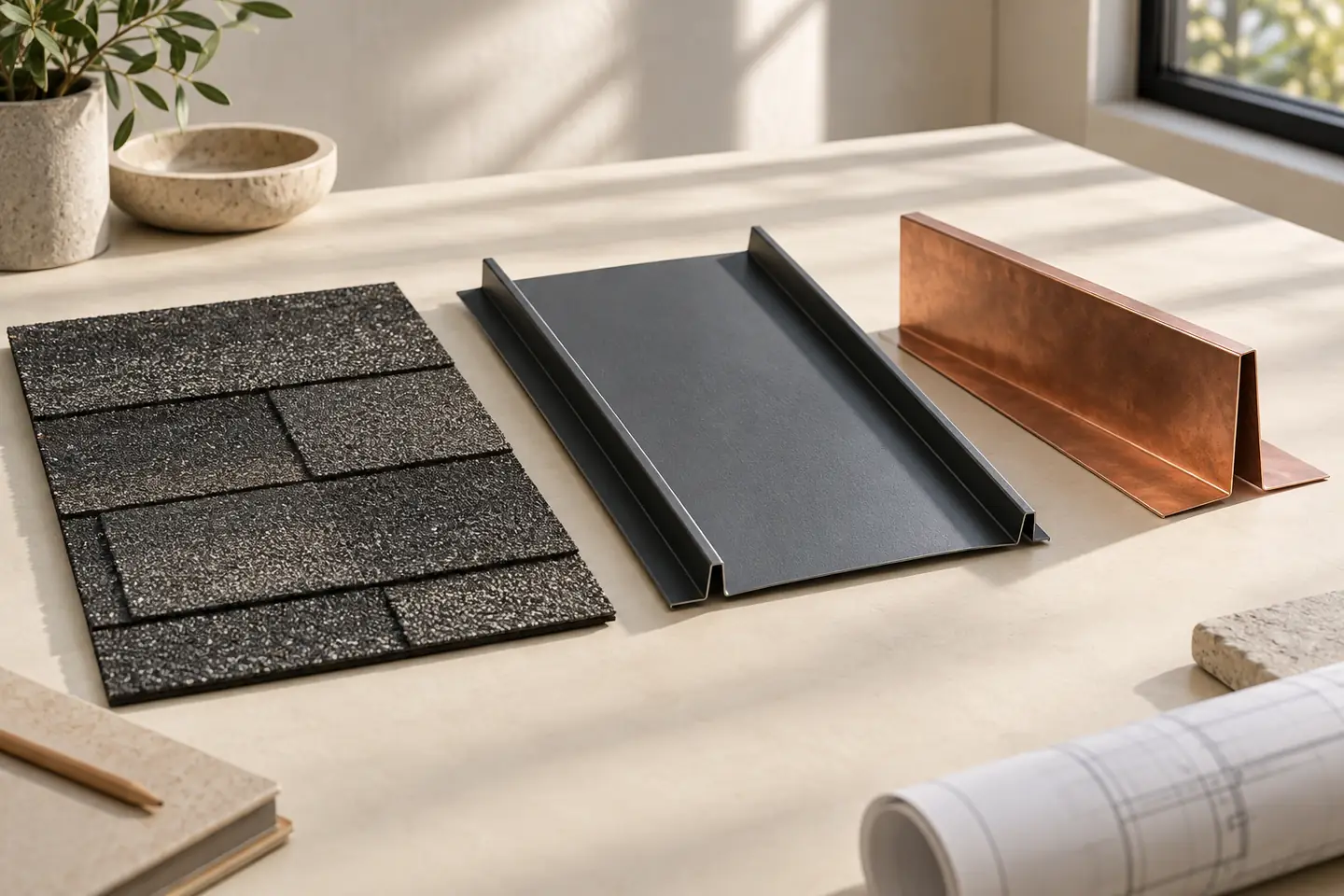
The tradeoffs, side by side
Your roof, budget and preferred appearance shape the shortlist. These tradeoffs explain our recommendations; technical suitability is handled as part of the service.
| Material | Budget considerations | Main advantage | Main drawback |
|---|---|---|---|
| Asphalt shingles | Usually the lower-cost starting point | Familiar look; individual repairs | Weathering and shorter replacement cycles |
| Standing-seam metal | Usually above asphalt | Light compared with stone; durable | Specialist details; dents or waviness |
| Clay tile | High; structural work may add cost | Long-lasting fired-clay character | Heavy and brittle |
| Concrete tile | Often below clay; structure matters | Tile appearance with varied profiles | Heavy; finish may weather |
| Natural slate | Premium material and skilled labor | Natural stone with long-life potential | Heavy; specialist repair skills |
| Synthetic slate & shake | Product-dependent installed cost | Stone or wood look with less weight | Ratings and aging vary by product |
| Cedar | Ongoing care adds to total cost | Authentic wood grain and texture | Moisture care and fire restrictions |
| Low-slope membranes | Priced as a separate roof system | Designed for low-slope areas | Drainage, seams and puncture care |
Cost descriptions are broad planning comparisons, not quotes or a strict ranking. Product, region, roof complexity, removal and structural work can change the result. We confirm suitability and product availability for your roof.
Look closer
Find a look you love with a clear picture of cost and care. Our recommendations cover suitability and installation requirements, with the supporting detail available below.
01 · Material guide
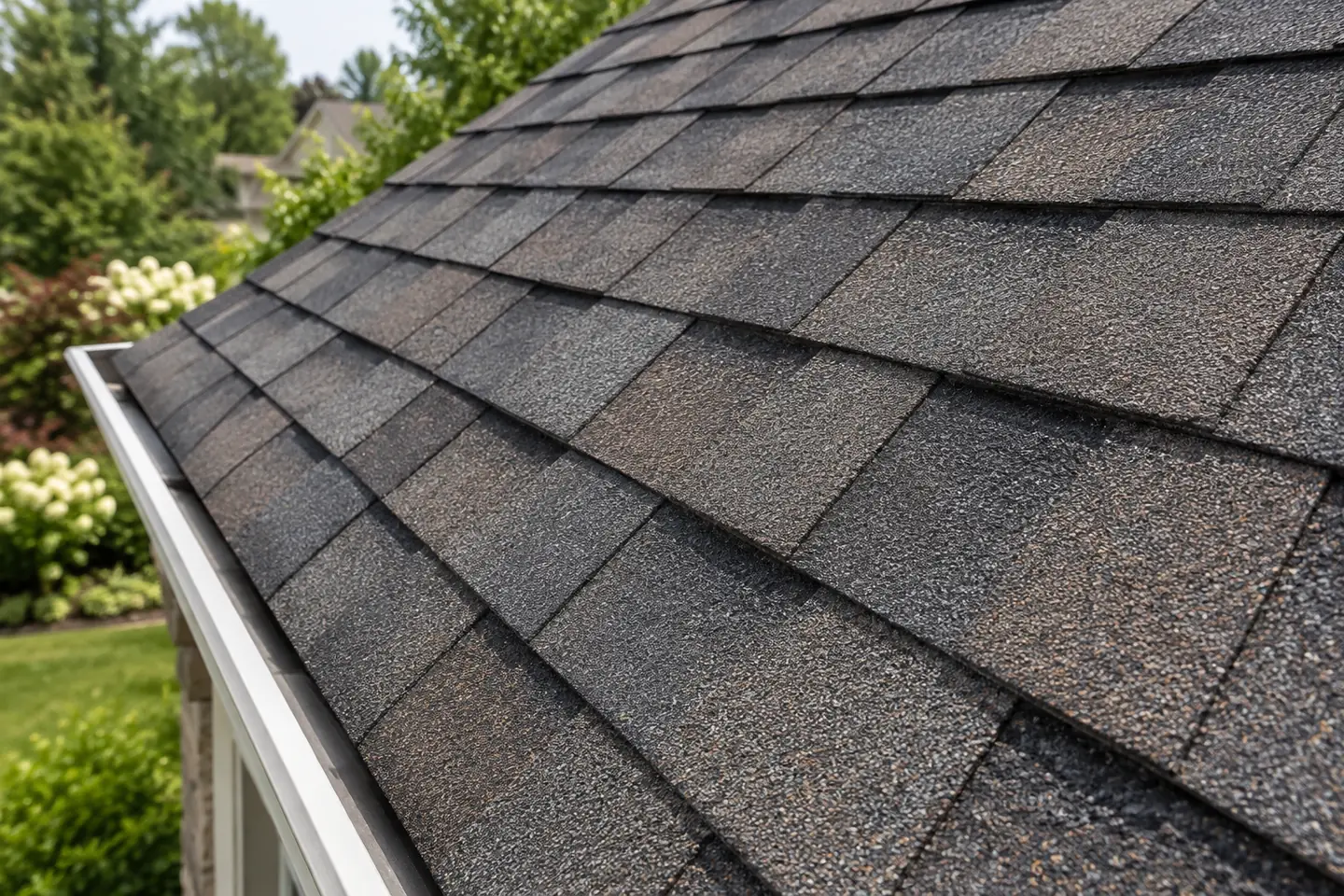
Layered fiberglass-and-asphalt shingles with a granular surface. A practical starting point for a traditional roof and a controlled upfront budget.
Most pitched residential roofs. A low-slope porch or addition may need a different covering; the chosen shingle has a minimum slope and underlayment requirements.
Usually the lower-upfront-cost starting point among pitched-roof options. Product grade, roof ventilation, installation and weather affect how it ages. A warranty term is not a prediction of roof life.
We assess damaged shingles and surrounding flashing, and recommend a product suited to the roof’s exposure. Wind, fire and impact ratings vary, so we check the specified product rather than relying on a category label.
02 · Material guide
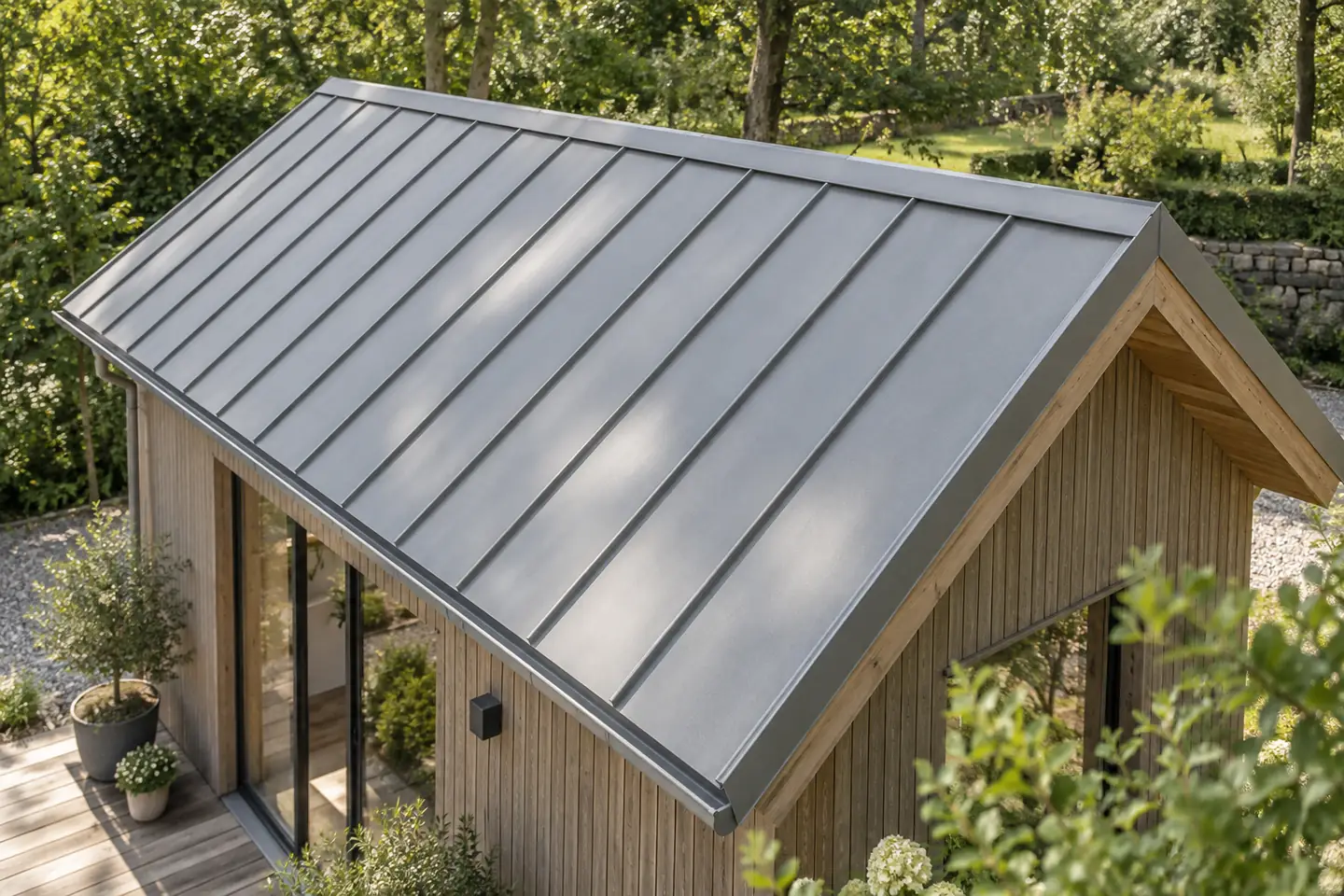
Long steel or aluminum panels joined at raised seams. The clean-lined appearance works on modern homes as well as porches and traditional houses.
Pitched roofs and some lower slopes when the specific seam system is designed for them. Steel, aluminum and their coatings differ; coastal exposure needs a suitable specification.
Flat panels can show slight waviness in changing light without leaking. We explain this characteristic before you choose, so the expected finish is clear.
We plan the attachment and roof junctions for the chosen system, including movement as temperatures change. At handover, we explain the care needed for coatings, penetrations and flashing.
03 · Material guide
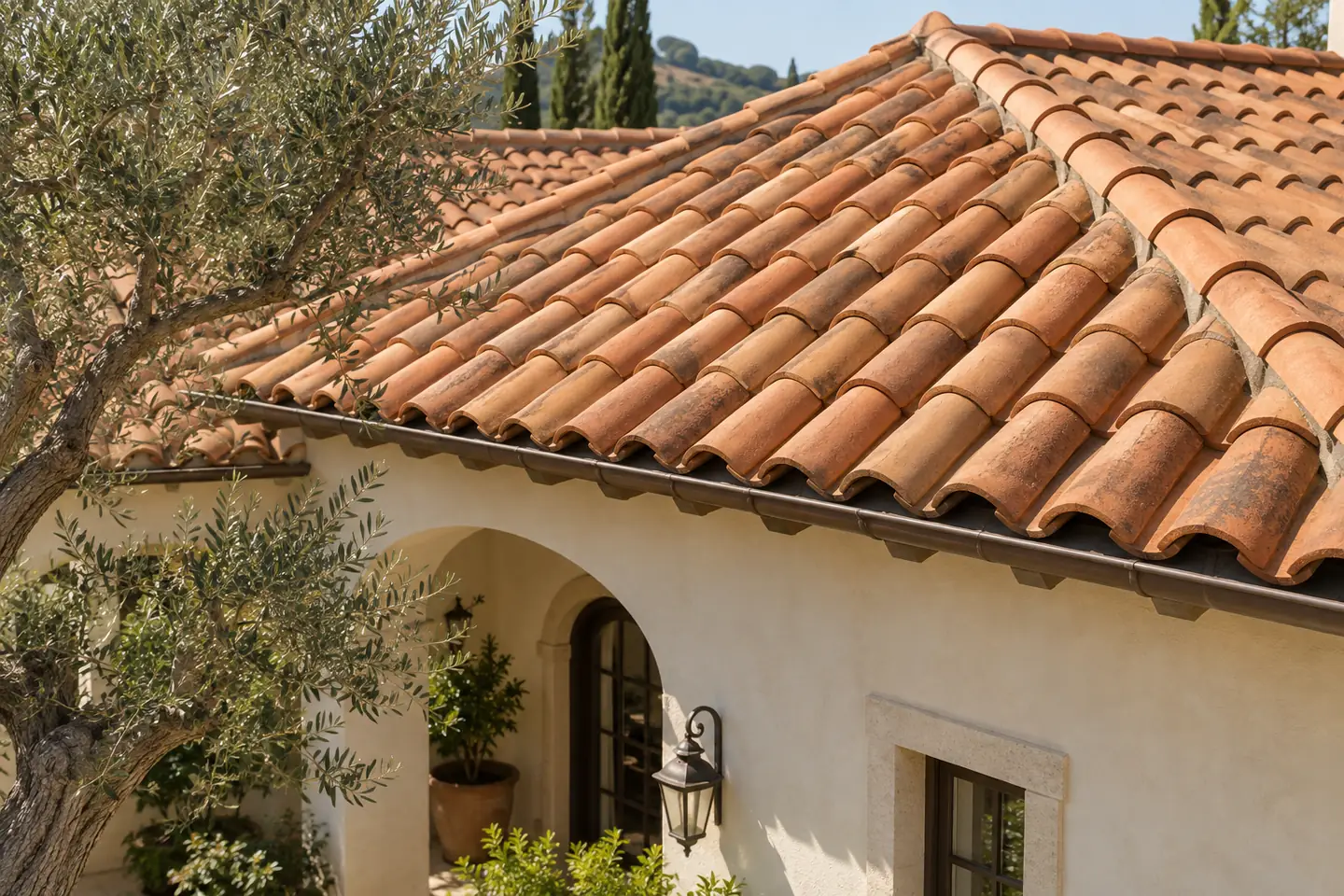
Fired-clay tiles, from rounded terracotta profiles to flatter shapes. A distinctive choice when the roof is a major part of the home’s character.
Homes with suitable roof slope and verified capacity for the tile’s weight. A change from shingles can require structural assessment rather than a simple material swap.
Long-lasting tiles do not make the whole roof maintenance-free. Underlayment and flashing can need work before the tiles wear out; lifting and relaying tiles adds labor.
We consider local conditions when recommending a tile grade and explain its care needs. If tiles become damaged, we assess the affected area without asking you to inspect it from the roof.
04 · Material guide
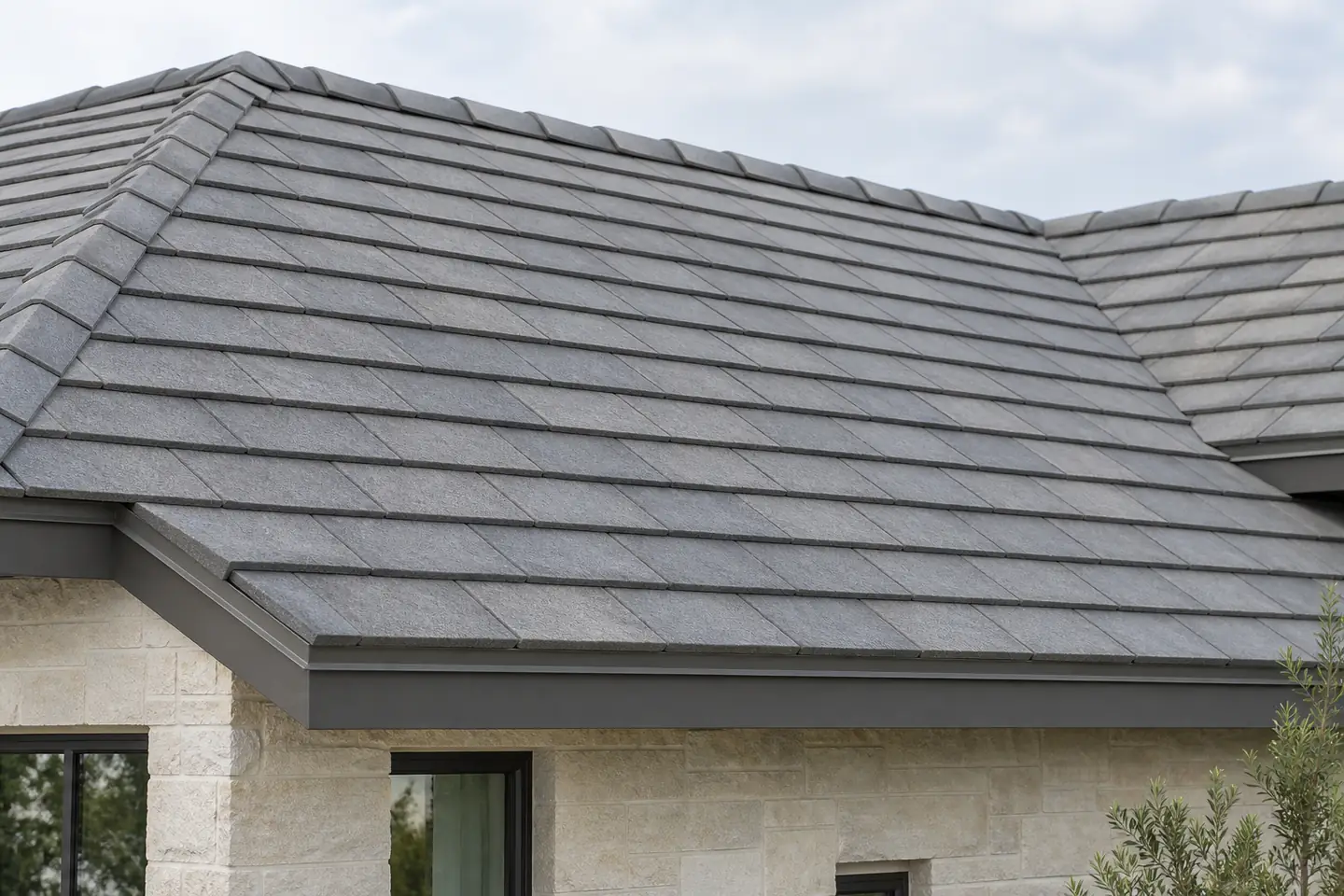
Molded cement-based tiles in flat or curved profiles. They offer the substantial look of tile, with a broad choice of colors and shapes.
We establish whether the roof is a suitable candidate and flag any structural assessment needed for the chosen tile’s weight before a change from a lighter covering.
Appearance guidance covers weathering, including the pale mineral bloom sometimes called efflorescence, so your choice reflects how the finish may change over time.
Our care guidance covers both the tiles and the layers beneath them. If underlayment work is needed later, sound tiles may be reusable, though lifting and relaying still involves labor.
05 · Material guide
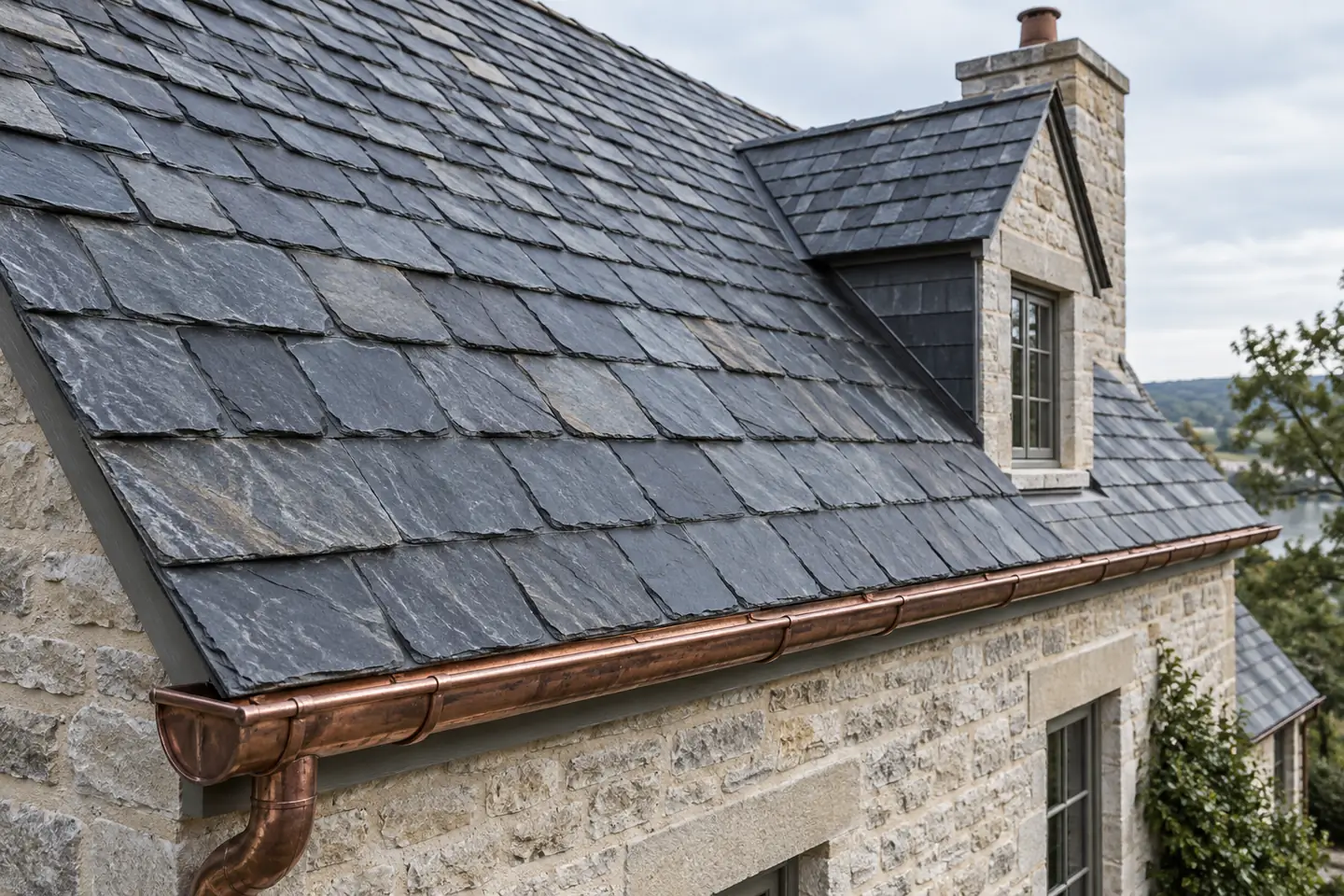
Thin pieces of quarried stone with natural color variation. Especially suited to homes where authentic stone texture is central to the architecture.
A structurally suitable roof with access to experienced slate installers. Thickness and stone type change weight, durability and price; not all slate has the same service life.
Good slate can last a very long time, but flashing, fasteners and individual stones still require attention. The condition of the entire system matters more than the age of one tile.
We assess slate repairs with the material’s particular requirements in mind, including the size, thickness and color of replacement pieces. You do not need to walk on the roof to identify damaged slates.
06 · Material guide
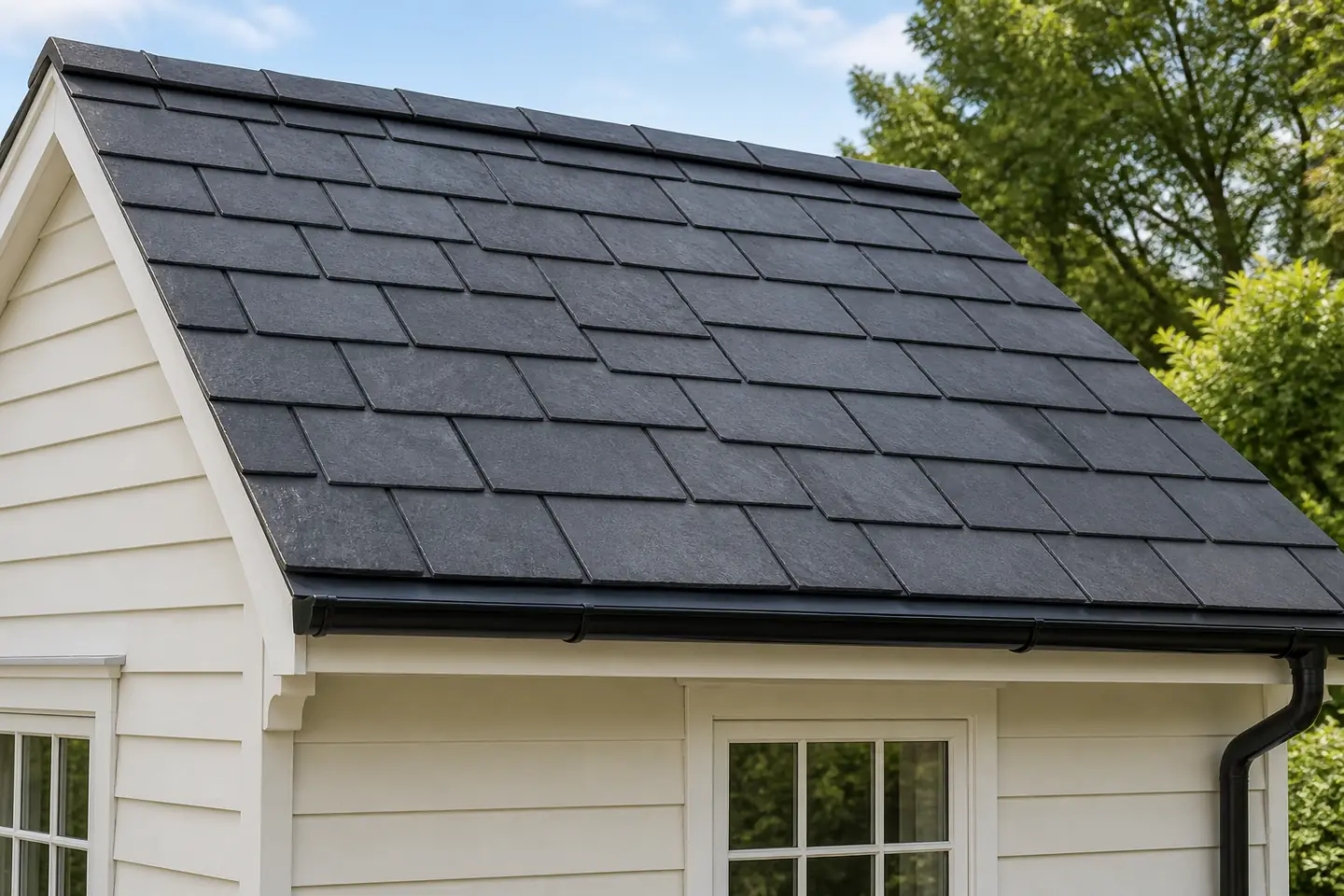
Manufactured polymer or composite tiles designed to resemble stone or wood. An option when you want that appearance with different weight and care requirements.
We check suitability for the particular product and help you compare its appearance with the natural material you like, including texture and repeating patterns.
We review the selected product’s published ratings, installation requirements and coverage, then explain the relevant differences. We do not transfer one manufacturer’s claims to every synthetic tile.
Your handover includes product identification and care information for future maintenance or repairs. We explain availability and coverage limitations rather than promising the lifespan of natural slate for a look-alike.
07 · Material guide
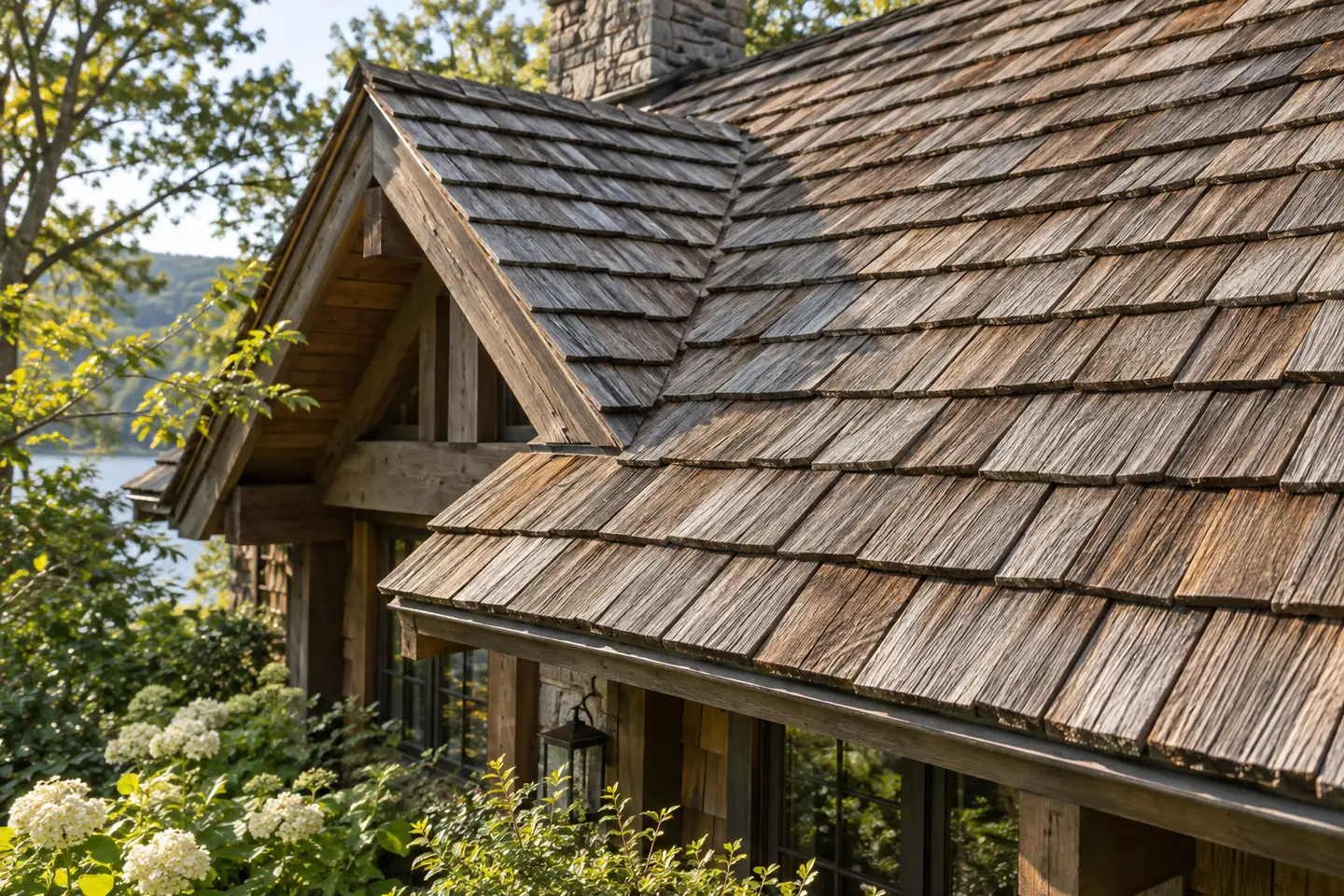
Real wood roofing: shingles have a smoother sawn finish, while shakes have a more textured appearance. Both develop a weathered character over time.
We establish whether cedar is a suitable option for your roof and location, including applicable fire requirements and treatment specifications, before recommending it.
Leaves and needles hold moisture against wood. Professional debris removal, ventilation and prompt repair of damaged pieces help the roof dry and perform well.
Cedar recommendations include its ongoing care needs as well as installation cost, with product guidance provided at handover. Its service life depends on material quality, exposure, installation and maintenance.
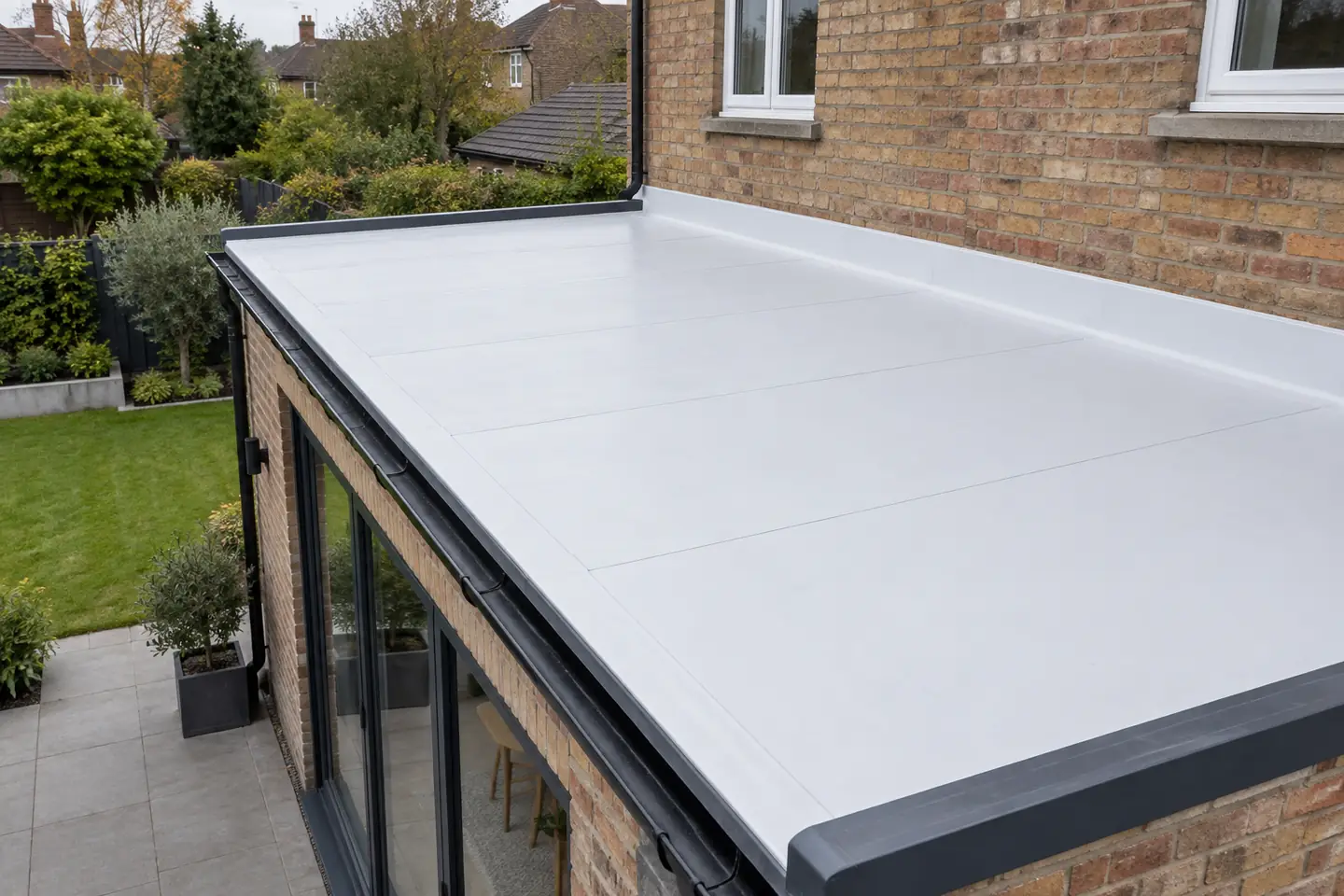
08 · Material guide
Sheet roofing for low-slope additions, porches and similar areas. TPO and EPDM solve a different problem from overlapping shingles or tiles.
TPO seams are heat-welded. EPDM is commonly black and uses product-specific seam tapes or adhesives. The substrate, insulation, exposure and edge details help determine which system fits.
A roof that looks flat still needs a drainage plan. Adding shingles to a slope below their approved minimum does not solve slow water drainage.
We plan drainage, insulation and edge details as part of the membrane system, and explain their effect on price. We also identify the ongoing care needed for seams, penetrations and drainage.
Suitability comes first
Before recommending a material, we check the practical requirements of your roof and explain any work needed to make the choice viable.
The same home can need more than one system: for example, shingles on the main roof and a membrane on a low-slope addition.
We assess each roof slope and its drainage, recommending a covering designed for that part of your home, including membranes for suitable low-slope areas.
We flag the extra weight of tile or slate and identify when structural assessment is needed before recommending a change from a lighter covering.
We consider local exposure and the chosen product’s ratings when recommending a system, rather than treating every material in a category as equivalent.
A complete recommendation
We explain the installed option, its price and its limitations, not just the price of the covering.
We include the agreed installation work, removal and disposal in the proposal, and identify allowances for concealed damage. You can see what the complete project includes.
We explain the applicable product and workmanship terms and provide the written details. Coverage is not a promise of a maintenance-free roof or a fixed replacement date.
We help you choose the appearance while handling the product specification and installation requirements. The technical checks support your choice rather than becoming your responsibility.
Your home. Your next step.
You do not need a diagnosis or a material picked out. We help you understand the problem and find the right next step.