
SUNCREST / HOME ENERGY
Good questions. Clearer decisions.
Explore the practical details before deciding whether solar belongs in your plans.

ASK FIRST. DECIDE WITH CONTEXT.
You don’t need to know the technical language.
Start with what you want to understand: the bill, the roof, the equipment or the process. A useful conversation makes the choices clearer without asking you to become a solar expert.
Bring us your questionsExplore the details.
Will solar remove my whole electricity bill?
Not necessarily. Imported energy, fixed charges and the way exports are credited can leave a remaining bill. Estimated bill savings also exclude installation and financing costs.
What if my home is shaded?
Shade can affect production. The roof and surrounding conditions need assessment; an online estimate cannot establish suitability.
Do I need a battery?
Not every solar project includes storage. Discuss backup priorities separately from the goal of reducing purchased electricity.
Can I use a typical electricity rate to estimate savings?
Yes, as a clearly labeled scenario, not a personalized tariff calculation. Your actual usage, production and export-credit arrangement can change the result.
What should I have ready for a conversation?
Your approximate annual electricity use, roof age if known, utility name and main priorities are useful starting points. Do not send account passwords or private access instructions.
THE PRACTICAL SIDE
The questions worth asking early.
Open the topics that matter to you. Bring anything else to the first conversation.
How much will a system cost?
A meaningful price needs a defined scope: equipment, roof layout, electrical work and any storage. Ask for an itemized proposal with exclusions and payment terms. The bill-savings calculator does not include the purchase price or financing.
Is a bigger system always better?
Ask why the proposed size fits your usage, roof and export arrangement. More production is not automatically more valuable if much of it leaves the home at a lower credit rate. Future energy needs should be discussed alongside present consumption.
How long does the project take?
Ask for a project-specific sequence and identify which milestones depend on site work, permits, equipment or utility review. Treat any early timetable as an estimate until those dependencies are understood.
What if I plan to move?
Discuss ownership, any financing obligations and the documents a future buyer may need. Review transfer terms for equipment warranties and agreements before deciding. Do not assume solar guarantees a particular resale value.
How do warranties and support work?
Ask which coverage applies to equipment, performance and workmanship, who handles a claim and which costs are excluded. Keep the written terms and contact details; coverage should not be inferred from a general marketing statement.
YOUR NEXT STEP
Start with the home you have.
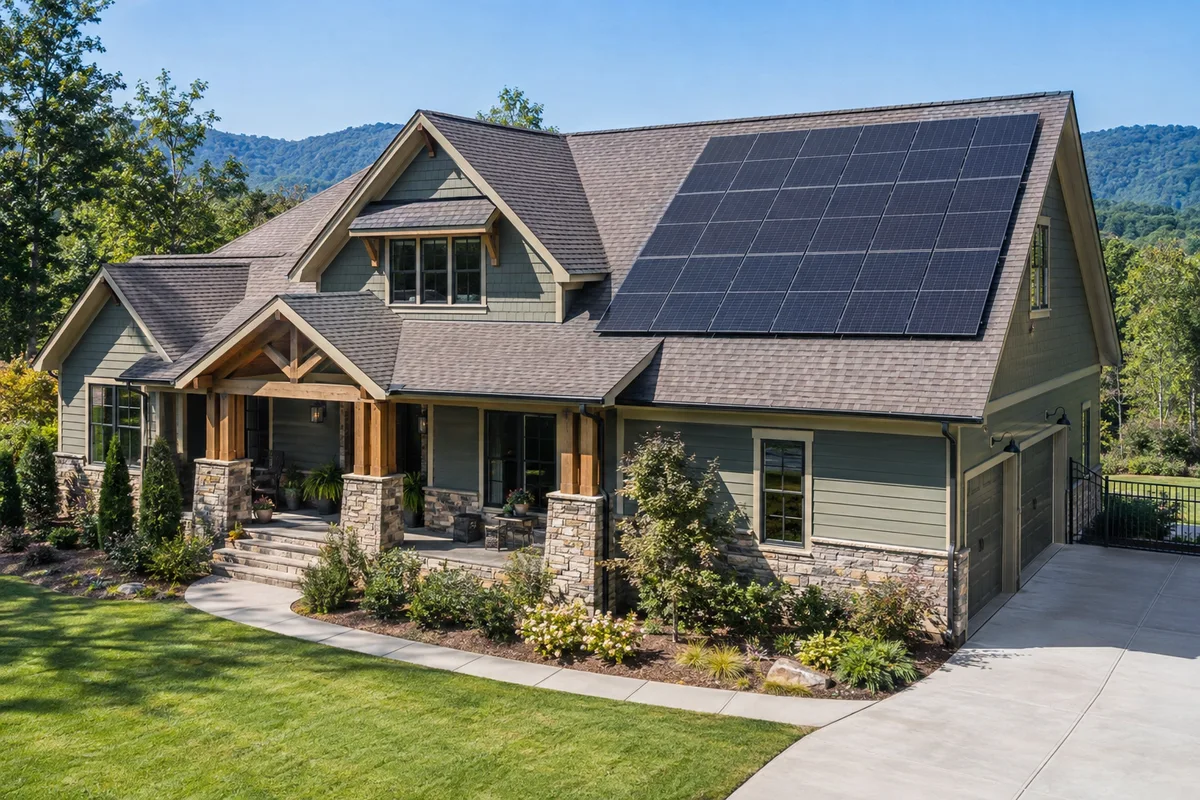
Your roof age, electricity usage and future plans are useful starting points. You do not need every answer before getting in touch.
Start a conversation