
Solid wood
- Often chosen for
- Natural character and future restoration potential
- The useful question
- Are the room and site conditions right for this wood floor?
The material guide
Start with what you love. Then consider how the room lives. We help connect appearance, comfort, upkeep and the work needed beneath the surface.
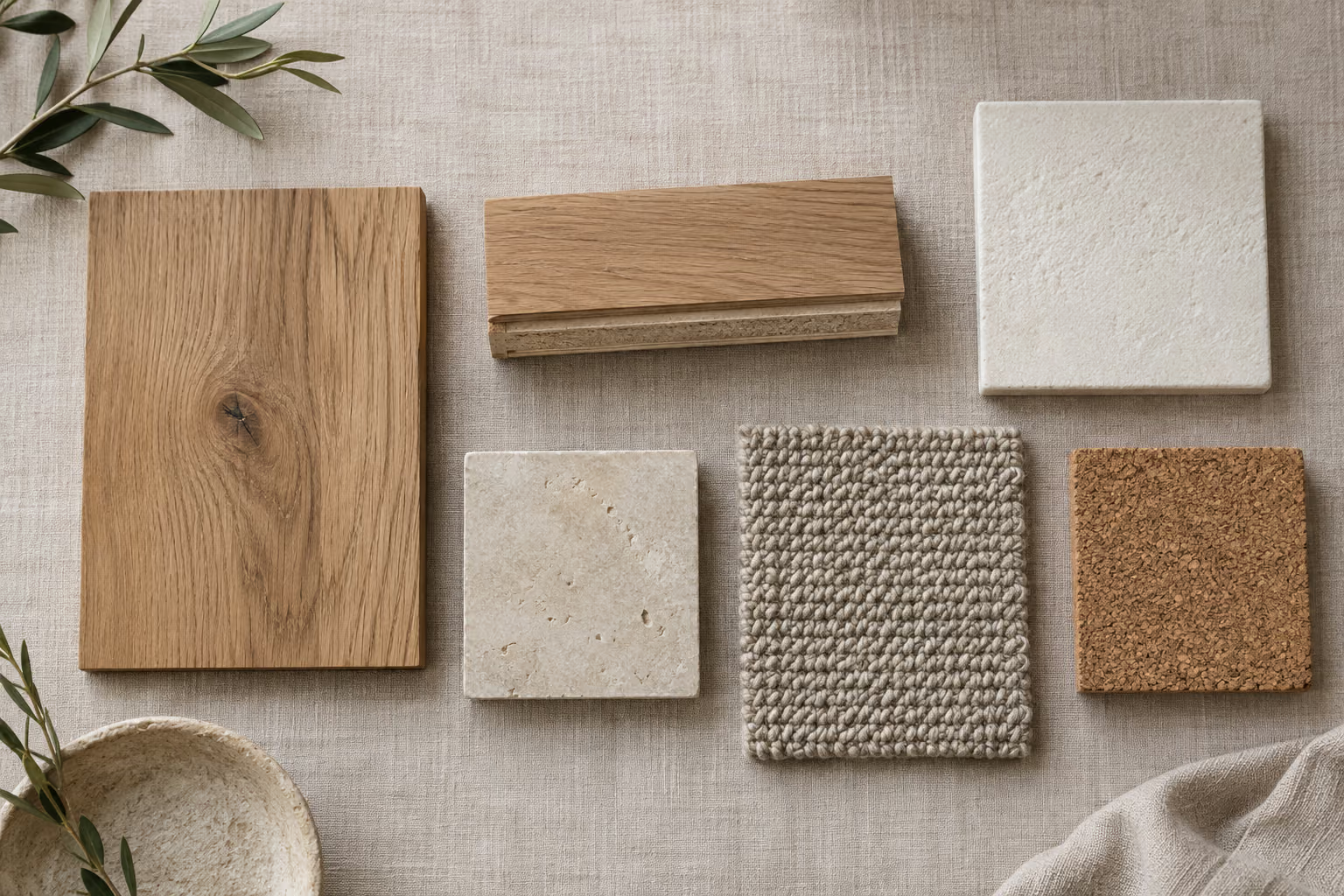
The quick comparison
Use this as a starting point. The exact product, room conditions and installation system determine suitability.
| Flooring | Often chosen for | The useful question |
|---|---|---|
| Solid wood | Natural character and future restoration potential | Are the room and site conditions right for this wood floor? |
| Engineered wood | Real wood with a layered construction | What does the wear layer allow, now and later? |
| Luxury vinyl & SPC | Resilient wood or stone visuals | What does the product allow, and what does the room need? |
| Laminate | Consistent visuals and product-specific wear resistance | What are the moisture limits and replacement options? |
| Tile & stone | Texture, pattern and individual material character | Is the surface and complete assembly suitable for this use? |
| Cork | Warm texture and a gentler feel | How will furniture, sunlight and moisture affect it? |
| Bamboo | A distinctive grain and range of constructions | What does this particular product require? |
| Carpet | Softness and comfort in selected rooms | Does the fiber, construction and care suit daily use? |
No material is the best at everything. We help compare the tradeoffs for your actual space.
Material notes / 01
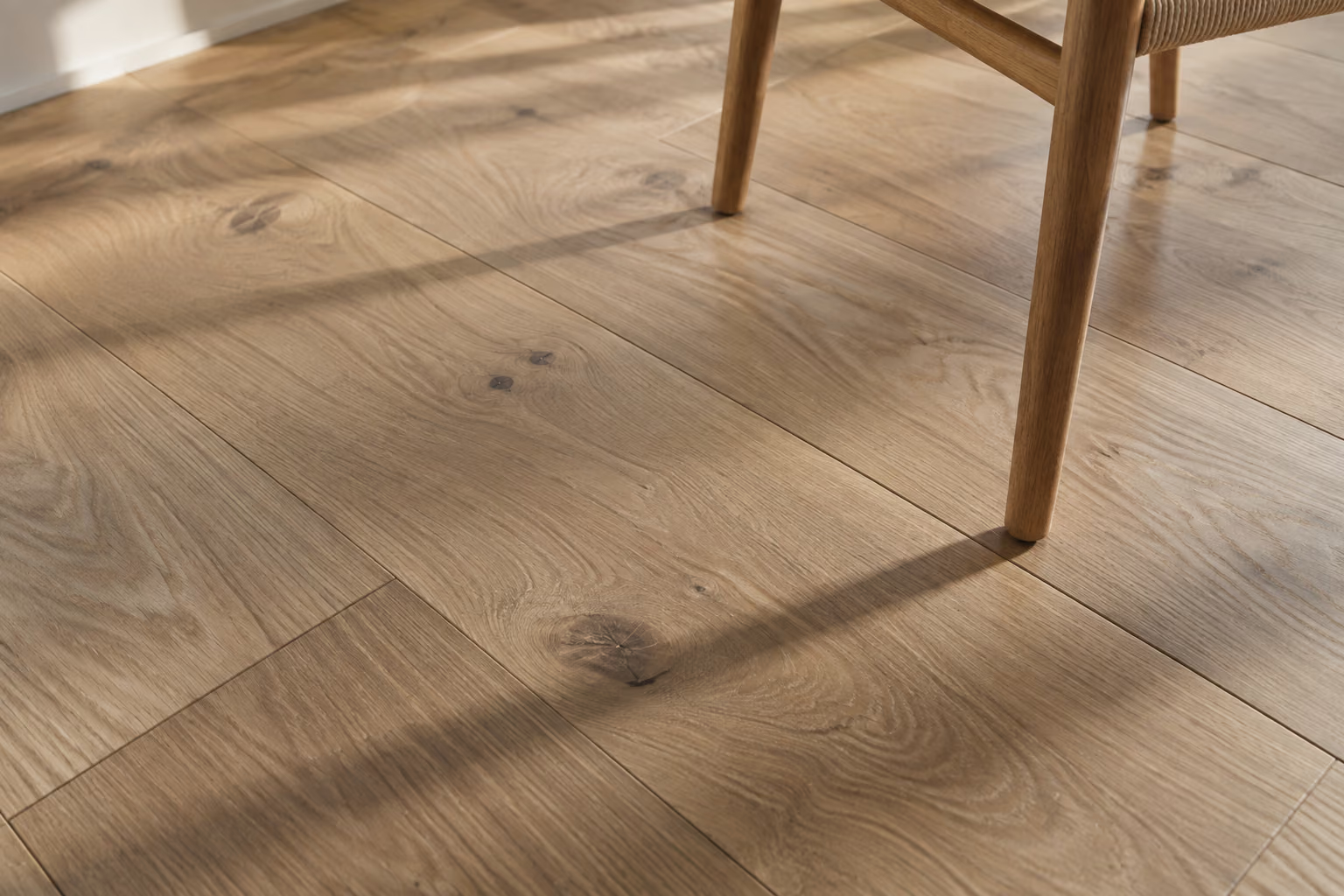
Wood all the way through, with the grain, variation and warmth that make a room feel settled. Species, board width and finish give solid wood a wide range of expressions.
We consider the room, subfloor, environmental conditions and the product's permitted installation methods. Wider boards and different species may have particular requirements. The proposed floor is selected for the setting, not just the sample color.
Regular dust removal, prompt spill cleanup and manufacturer-compatible cleaners help protect the finish. Sanding and color changes may be possible later, but previous work and remaining wood thickness determine what is safe.
Material notes / 02
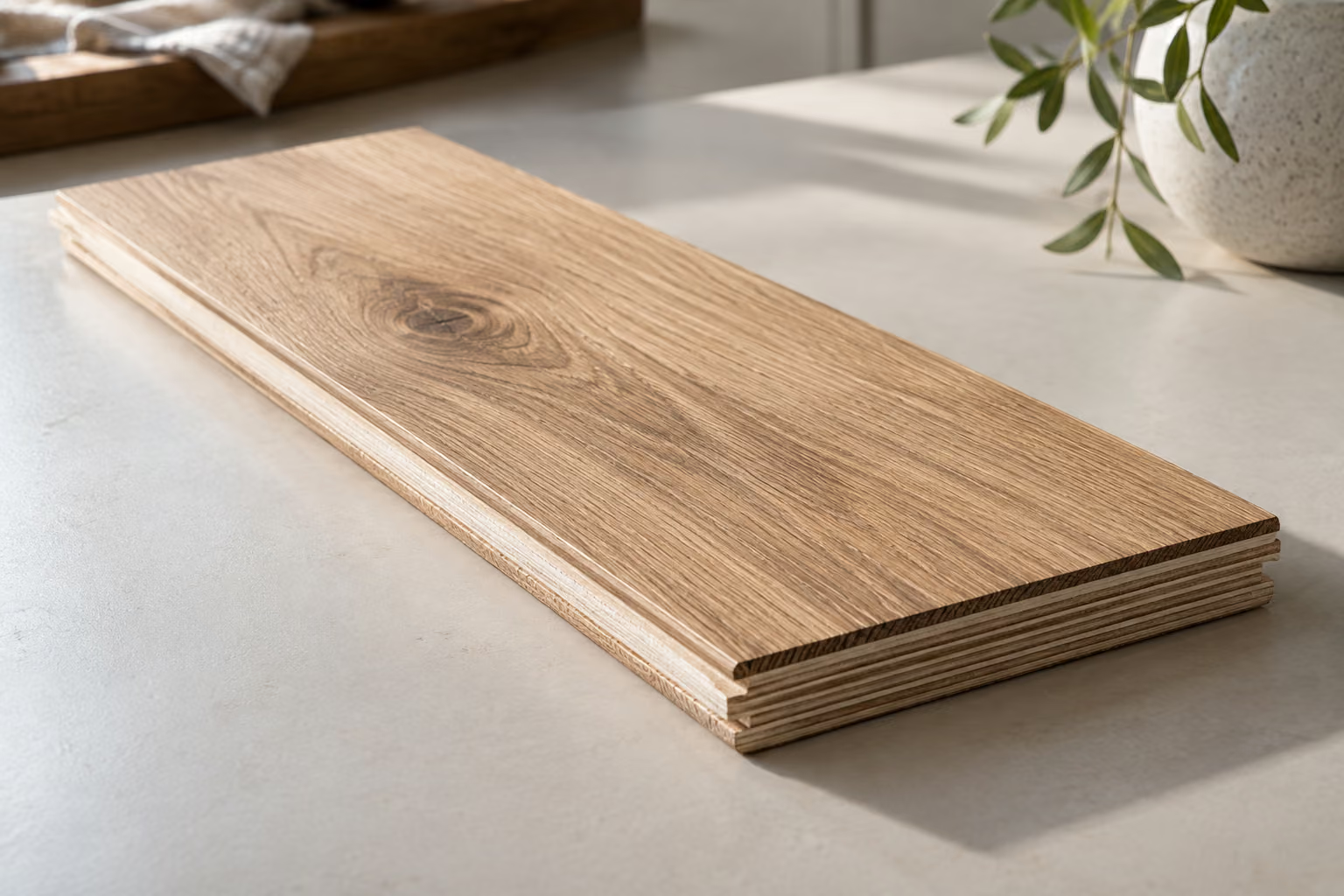
A real wood surface bonded to a layered construction. It offers the natural character of wood with a structure designed to manage movement differently from a solid board.
We look at the actual product's wear layer, core, dimensions and installation guidance. Engineered does not mean waterproof, and it does not make every board suitable for every room or underfloor system.
The thickness and condition of the real wood layer, edge details and any previous sanding matter. We assess the installed floor before recommending sanding rather than assuming that every engineered product has a second sanding life.
Material notes / 03
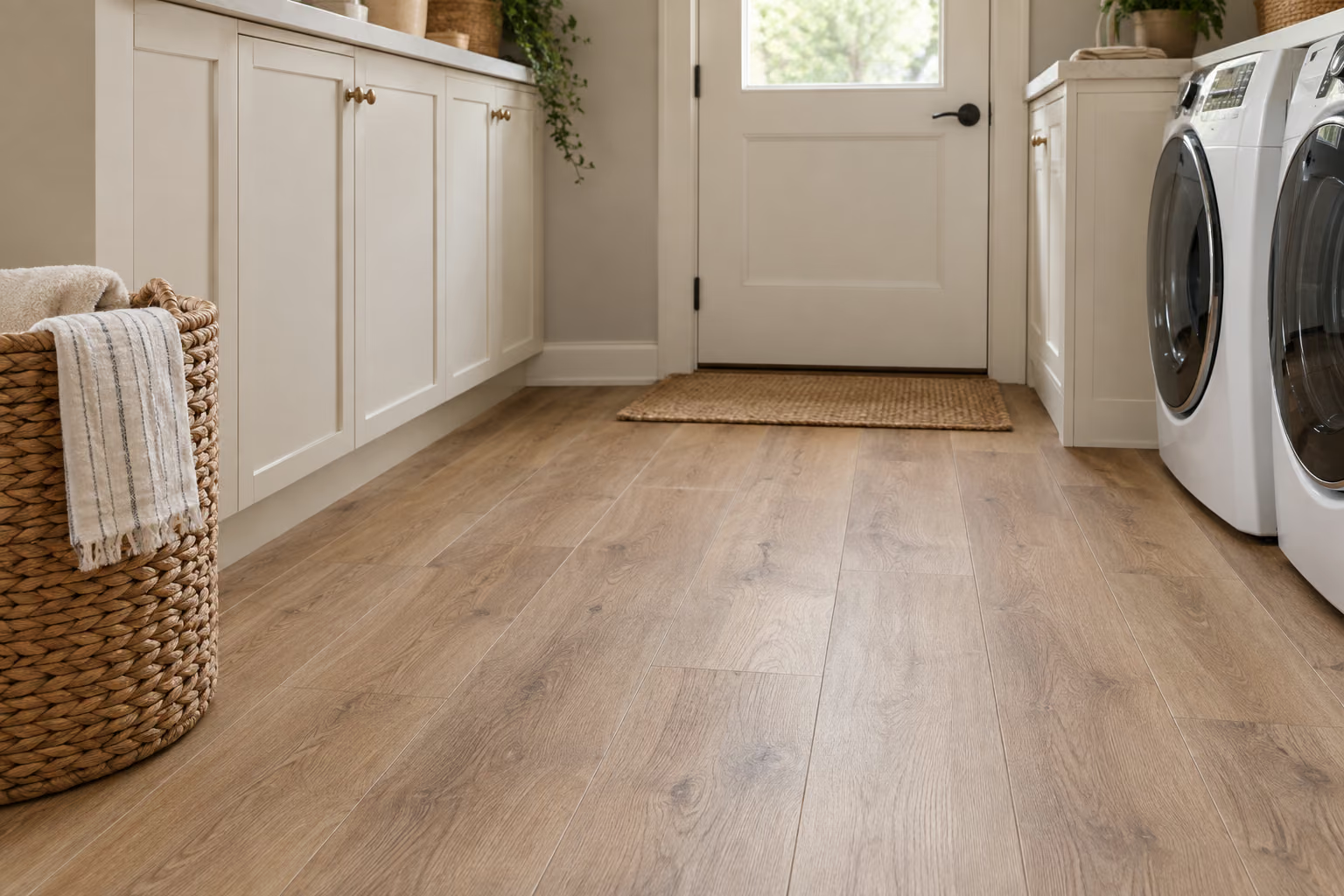
A resilient floor with wood or stone visuals and a range of constructions. SPC is one type of rigid-core vinyl, not a separate promise about the performance of every installation.
The product's intended use, wear layer, core construction, joining system and installation requirements all matter. We check the applicable guidance for temperature, direct sunlight, rolling loads and room size rather than treating all vinyl as equivalent.
The substrate must meet the selected product's flatness and moisture requirements. Dents, scratches and damage can still occur. Use compatible cleaning products and furniture protection, and avoid assuming every mat or heat source is suitable.
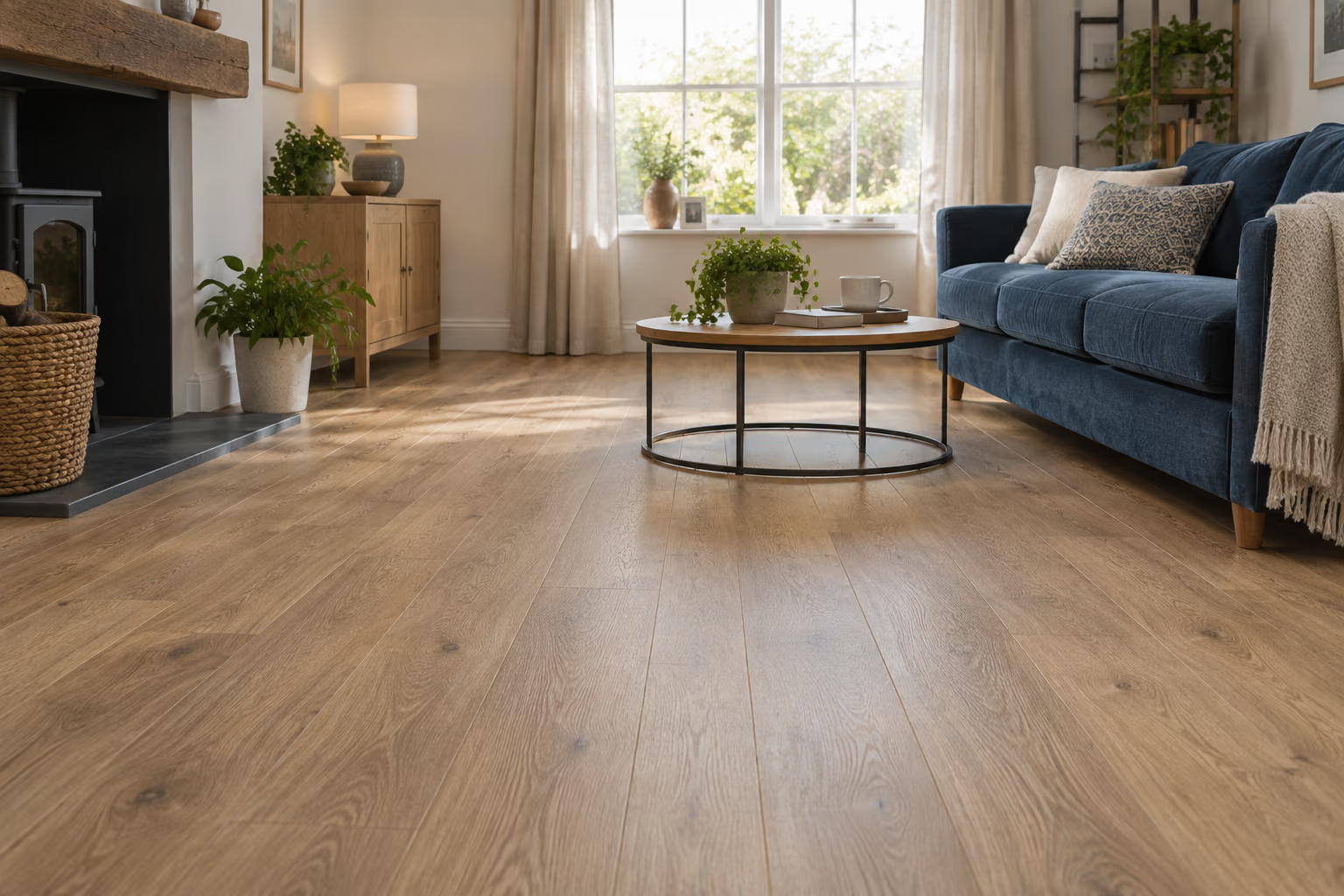
Material notes / 04
A printed decorative surface over a manufactured core, built to give a consistent wood or stone look. It is a different construction from real wood and from vinyl.
We review the intended application, moisture guidance, underlayment and any acoustic or heating requirements. A water-resistant label has conditions and should not be interpreted as permission for standing water or every wet-area use.
Transitions, perimeter movement space and door clearances belong in the installation plan. If damage occurs, board replacement may be the repair route. Availability of matching boards can affect future options.
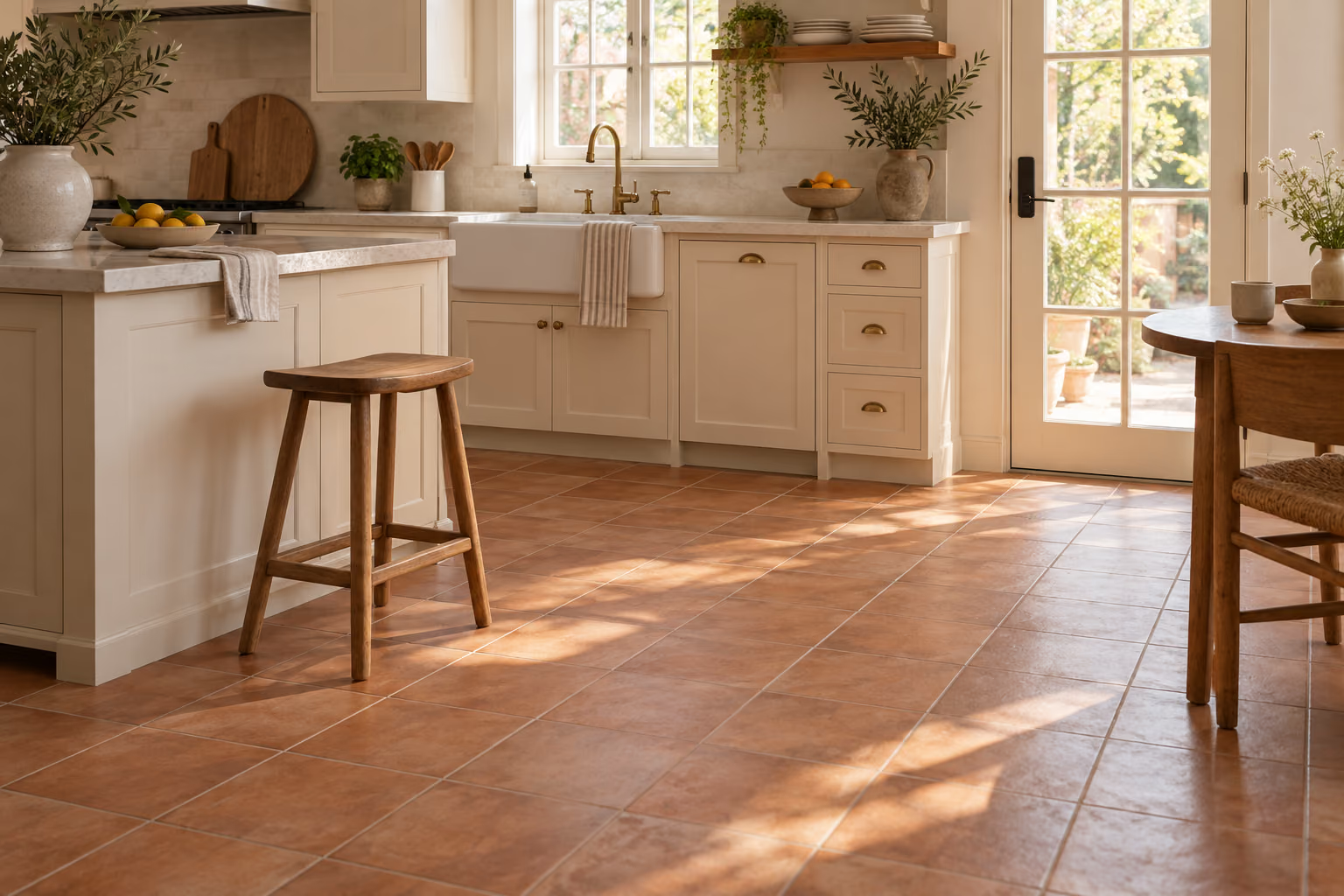
Material notes / 05
From earthy small formats to quiet stone-look slabs, tile offers texture and pattern without relying on wood grain. The surface choice is only one part of the installed system.
We consider the specific tile's floor or wall suitability, surface characteristics, size and use guidance. Porcelain and ceramic labels alone do not settle slip suitability or the details of a wet-area installation.
Flatness, movement, grout joints, edges and bonding requirements influence the finished result. Tile and grout alone are not waterproofing. The complete assembly must be planned for the application.
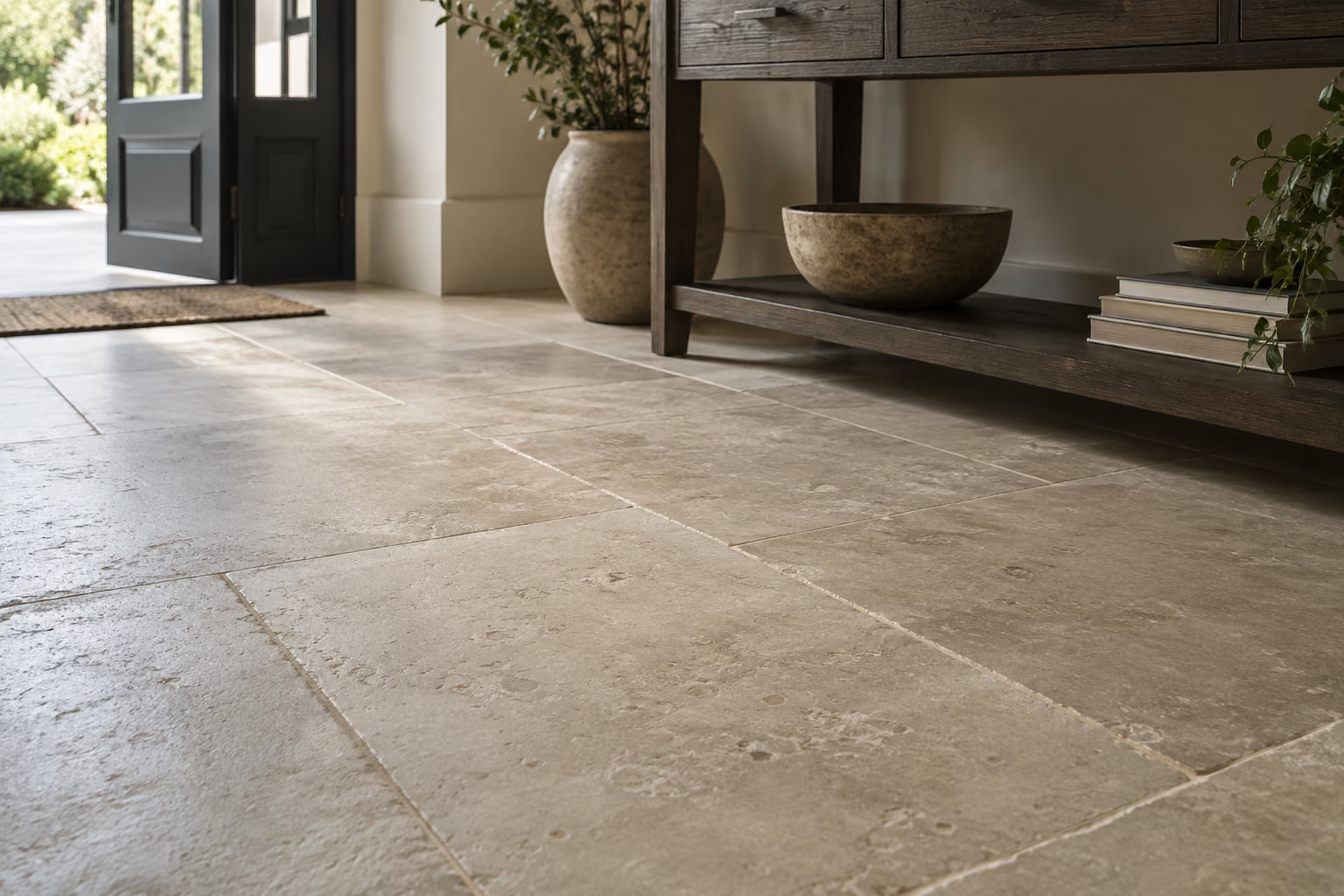
Material notes / 06
Veining, texture and subtle irregularity are part of the appeal. Limestone, marble and other stones have distinct personalities and different practical needs.
We discuss the particular stone, the room and the level of change you are comfortable seeing over time. A polished surface and a honed one may show wear differently. Product-specific cleaning and sealing guidance should shape the decision.
Samples represent a range rather than an exact promise. Piece selection, pattern, layout and transitions are considered together, with suitable preparation and setting materials for the stone and substrate.
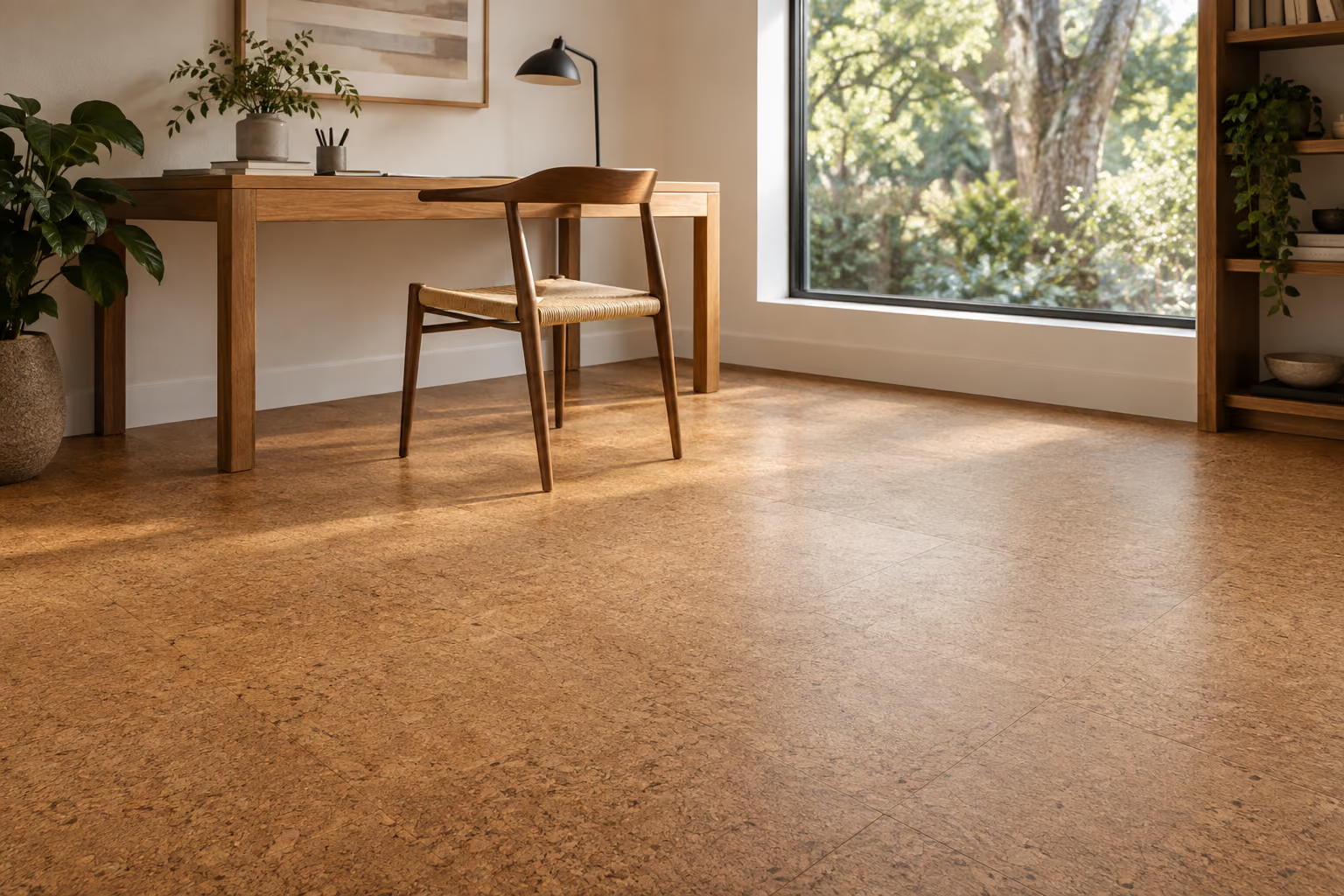
Material notes / 07
A warm, textured surface with a gentler feel underfoot. Cork can bring a quieter visual rhythm to a study, reading room or other thoughtfully chosen space.
Cork flooring may use different constructions, cores, coatings and fitting methods. We assess the selected product's requirements, furniture loads and care instructions. The material name alone does not establish performance.
Renewable-source claims do not describe a finished product's full impact. If environmental priorities matter to you, we can discuss product-specific sourcing, binders, finish information and available documentation without making blanket green or health claims.
Material notes / 08
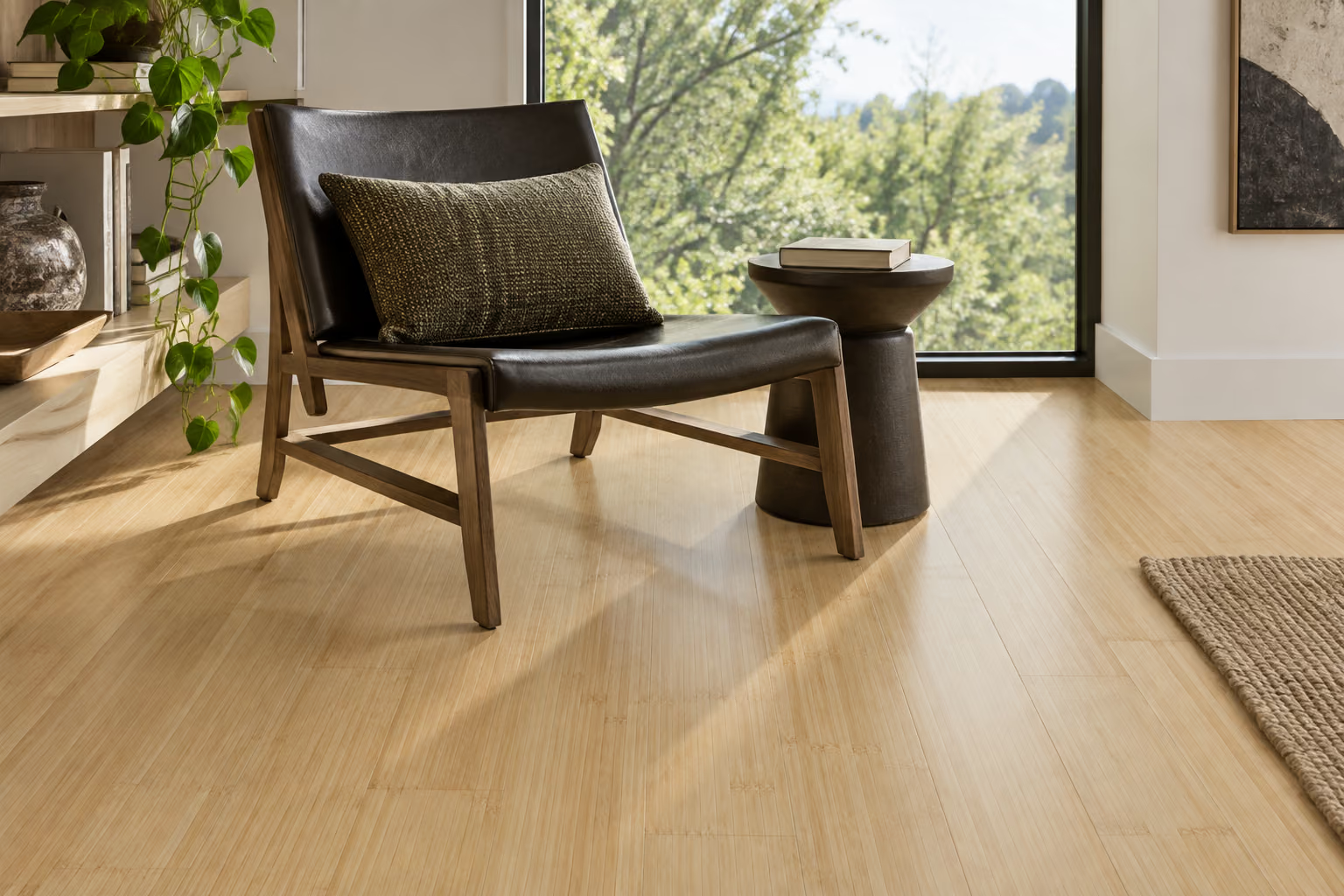
A distinctive grain and a variety of tones, made from a grass rather than a tree. How bamboo is processed and constructed makes a substantial difference to the finished flooring.
Strand-woven, horizontal, vertical and engineered products are not interchangeable. We review the actual product's use, acclimation, installation and moisture requirements before recommending it for the room.
We discuss finish care, sunlight, spills and furniture protection with the manufacturer's instructions in view. Where sourcing or emissions are priorities, product-specific documentation is more useful than broad environmental labels.
Material notes / 09
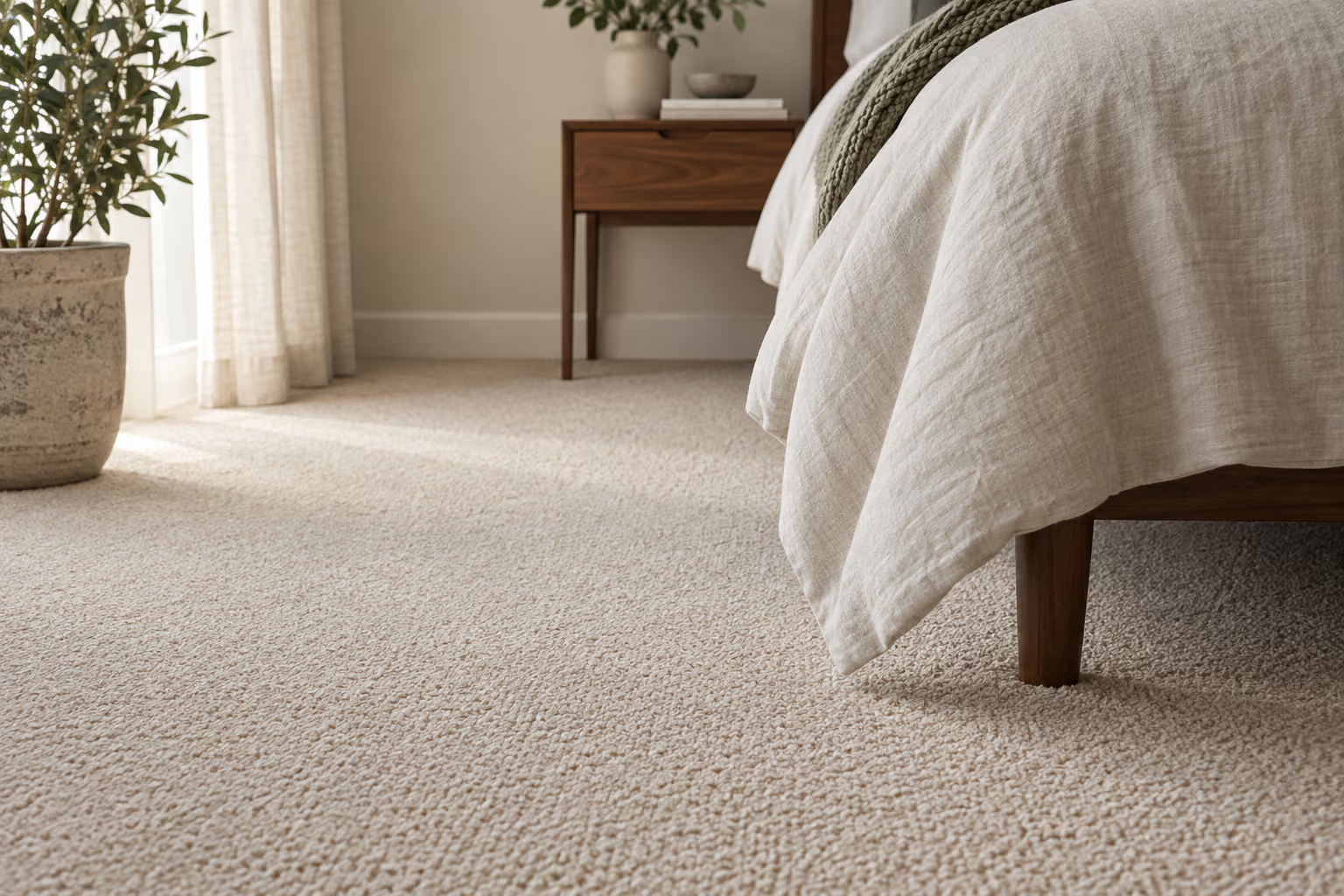
Softness, texture and a different kind of comfort. Carpet may suit a bedroom, reading space or other room where a softer surface is part of the brief.
We discuss the room, use, carpet construction, underlay and practical care requirements. Seams, direction and transitions into hard flooring are planned as part of the fitting, with product availability and installation scope confirmed for the project.
The final layer
Color and sheen are visible. Compatibility, application and care are just as important. We explain the system being proposed for your floor.
Species, grain, age and previous treatments influence how stain looks. A sample on the actual floor can help set expectations, but natural variation remains part of the result.
Matte, satin and glossier finishes reflect light differently. The complete finish system, preparation, application and care determine performance, not sheen alone.
Water-based finishes generally preserve a clearer tone, while oil-modified finishes add an amber warmth and usually dry more slowly. We compare the complete system for your floor, including its care and application requirements. Lower-VOC does not eliminate emissions or ventilation guidance.
Cleaning habits, furniture protection and maintenance affect how the floor wears. We explain the selected finish’s care and when a future maintenance recoat may be worth considering.
Existing floor? Its condition and remaining wood determine whether recoating, sanding or repair is the appropriate route.
Start with a conversation
Tell us which rooms you are thinking about and what matters most. We can help turn a long list of materials into a manageable decision.