
Skip to contentConcept website by Eventide Web Studio. Grainward Flooring, its location, contact details and customer testimonials are fictional. All photography is AI-generated.← Back to Eventide
Grainward Flooring(919) 555-0146

Wood floor restoration

Keep the character. Renew the finish.

A tired finish does not always mean a tired floor. We look at the wood, its wear and its history before recommending the lightest approach that can achieve the right result.

Plan your flooring
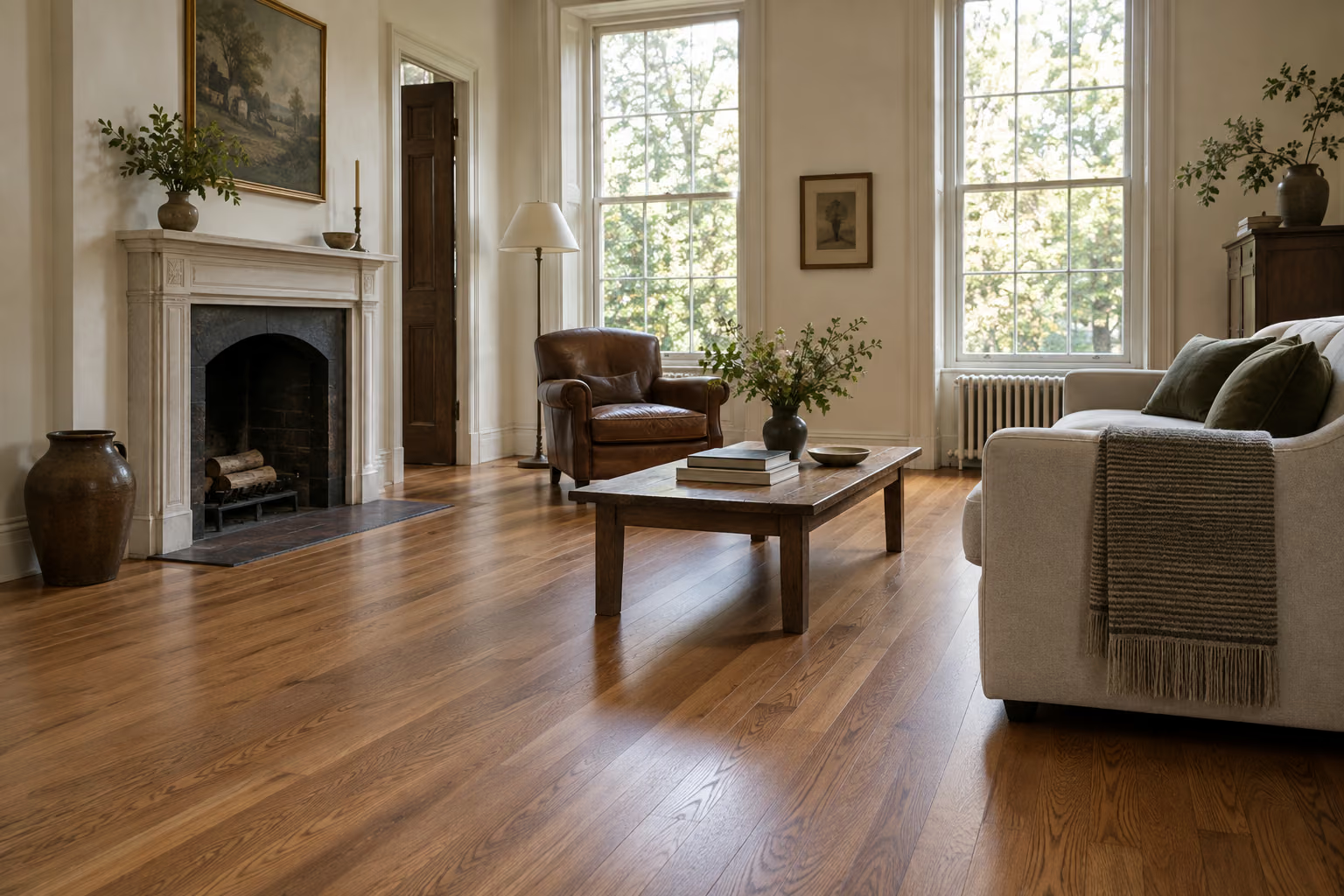
Satin-finished oak flooring in an older home.

The right approach

Not every worn floor needs the same treatment.

We assess the existing surface and explain what each option can and cannot change.

01

A maintenance recoat

When wear is mainly in a compatible surface finish, preparation and a fresh coat may renew the protective layer without removing the full finish.

Worth knowing

A recoat will not erase deep scratches, change the stain color or solve damage in the wood. Wax, polish and incompatible coatings can prevent adhesion.
02

A full sand & refinish

Removing the old finish can open the door to a different stain or sheen and address a greater degree of surface wear.

Worth knowing

The floor must have enough suitable wood remaining. Deep stains, gaps and movement may need additional work or may remain visible.

03

Repair before refinishing

Localized board damage can sometimes be addressed before the wider surface is finished, helping the repair sit more naturally within the room.

Worth knowing

New and old wood respond differently to stain and light. We discuss the limits of a match and whether replacement material is available.

Understand repair work
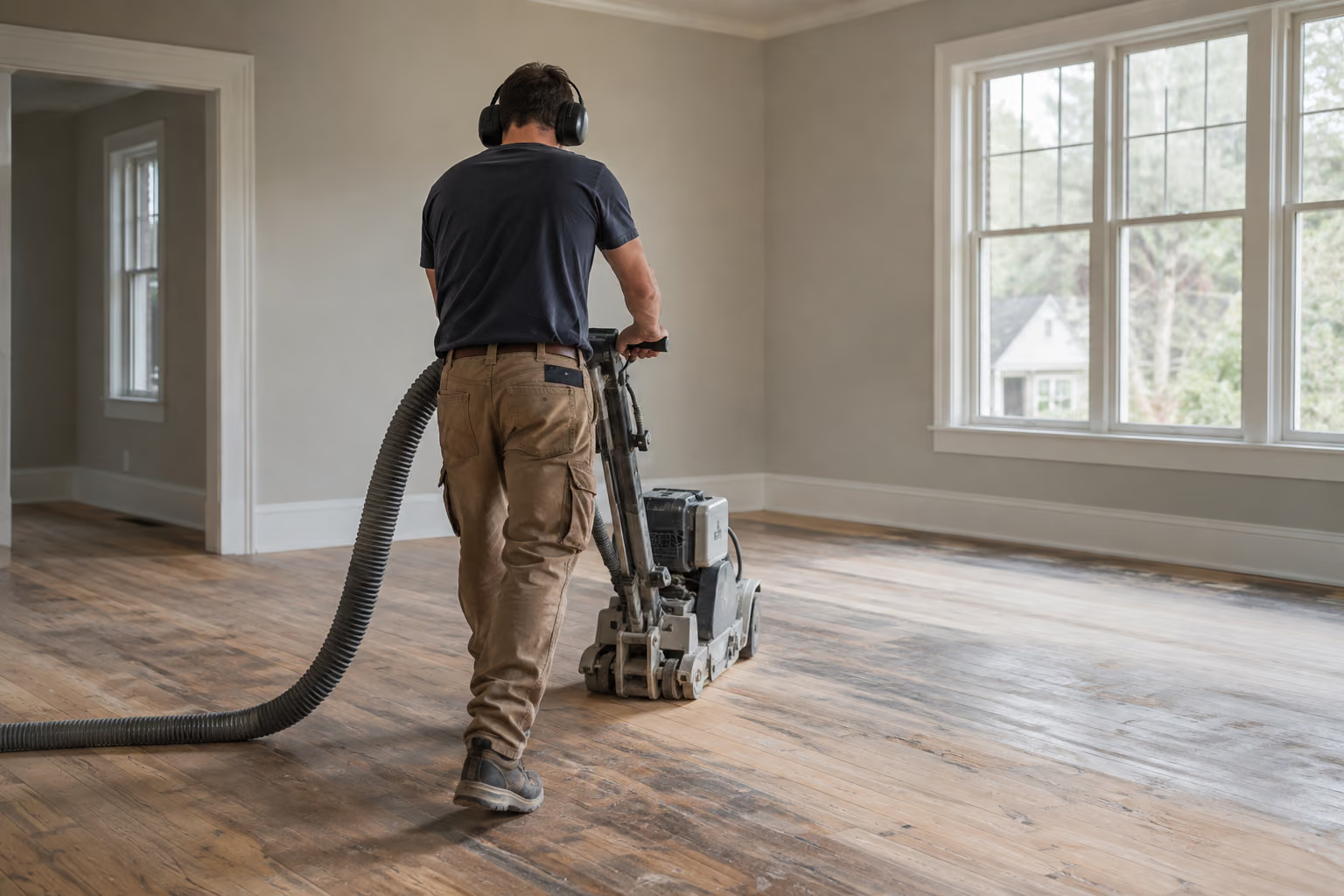
Floor sanding equipment connected to a dust collection hose.

Sanding is one part of a planned restoration process.

Care for the room, too

Dust controlled. Expectations clear.

Sanding changes more than the surface of the floor for a few days. We plan access, room clearing, protection and dust collection so the work is organized around your home.

Connected dust-collection equipment helps capture sanding dust at the machine. It does not make the work dust-free. We talk through containment, cleanup and what nearby spaces need before work starts.

We provide finish-specific guidance for ventilation, drying, walking on the floor, replacing furniture and returning rugs.

Before work begins

The choices behind the finish.

Cost and timing depend on the area, repairs, sanding needed and finish system. Condition and compatibility guide the plan as much as color.

01

What the existing floor allows

We assess the wood type, wear layer where relevant, previous sanding, finish condition and signs of moisture or movement. Not every engineered floor can be sanded, and some solid wood floors have already reached their practical limit.

02

Stain, sheen & natural variation

Wood species, age, grain and previous treatments influence the result. We discuss a sample approach on the actual floor when appropriate. A small sample or screen image cannot guarantee uniform color across every board.

03

Water-based & other finish systems

Water-based surface finishes typically keep a clearer tone and dry faster; oil-modified finishes add warmth but generally need longer between coats. We compare the proposed products for appearance, compatibility and return-to-use guidance. Lower-VOC does not mean zero emissions or remove the need for ventilation.

04

A realistic sequence

Repairs, sanding, stain and finish coats each need time. Dry to the touch is not fully cured: a finish can feel dry before developing its full resistance to wear. We give separate guidance for walking, furniture and rugs, based on the actual product and room conditions.

A little more clarity

A few useful answers.

Can you remove dark water marks or pet stains?

Some marks are shallow enough to improve with sanding. Others penetrate deeply and may remain or require board replacement. We assess the cause and extent first, then explain what is realistic before committing to a result.

Can engineered wood be refinished?

Some engineered products have a thick enough wood wear layer for refinishing, and others do not. We assess the actual floor, its construction and previous work, then follow the product's guidance. A general label is not enough to make the decision.

Can the floor be made lighter?

It depends on the wood, existing color, remaining thickness and how it responds after the old finish is removed. We can discuss a sample approach and explain the range of likely results without promising an exact color from a photograph.

Start with a conversation

Let’s see what is worth keeping.

You do not need to know whether the floor needs sanding. Tell us what you are noticing, and we can start with an assessment.